
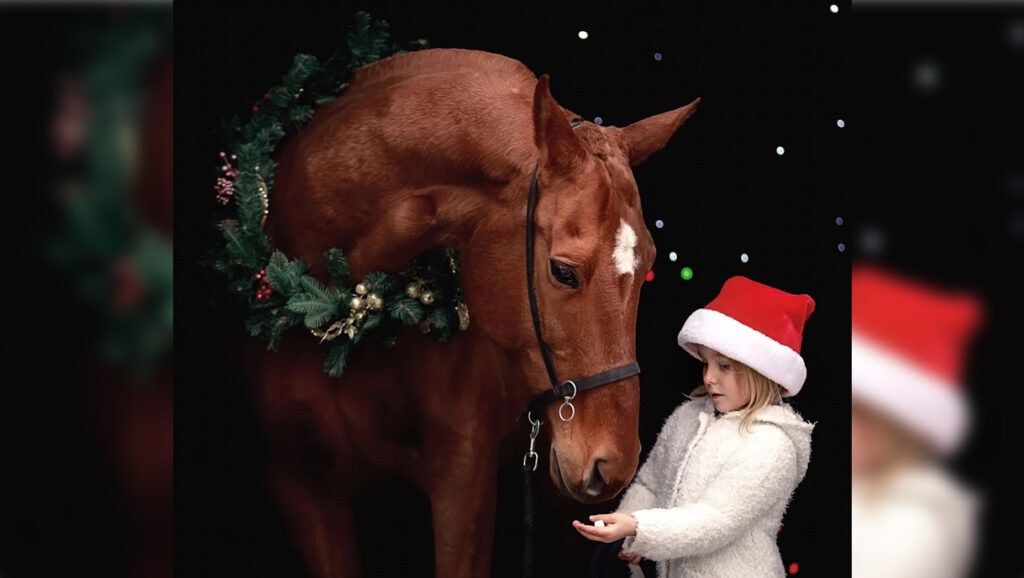
The winter Christmas chill brings a special kind of magic to the stable, with frosted fence lines and the rhythmic sound of hooves on crisp ground. However, this picturesque season also demands a significantly higher level of vigilance from every dedicated horse owner.
Keeping your equine partner comfortable when the mercury drops is about more than just providing a cozy stall or an extra flake of hay; it is about the precise, proactive management of their changing metabolic, physical, and psychological needs. To ensure your horse thrives during the festivities, we have expanded on the essential pillars of winter care.
Is Your Winter Feeding Strategy Generating Enough Internal Heat
During the festive season, your horse’s internal thermostat relies heavily on the “slow burn” of fiber digestion. While it is often tempting to significantly increase grain portions to “beef them up” for the cold, the true secret to sustainable warmth lies in high-quality forage.
As an equestrian professional, you likely understand that the fermentation of long-stem forage in the hindgut produces significant body heat through microbial activity. This process acts as a natural, internal heater that keeps the core temperature stable far more effectively than concentrates can.
- Increase Forage Intake: Aim to provide at least 2% to 3% of the horse’s total body weight in hay daily. For a 1,000-pound horse, this means 20 to 30 pounds of forage. During extreme cold snaps, offering “free choice” hay ensures the “furnace” never goes out.
- Monitor Hydration with Precision: Cold water is a deterrent to drinking. Ensure water sources remain between 45°F and 65°F to encourage consistent intake. Dehydration is a leading cause of impaction colic in the winter, as dry forage requires significant moisture to move through the digestive tract.
- Check Salt Access and Electrolytes: The thirst reflex often dulls in freezing temperatures. Supplementing with loose salt or a quality mineral block helps trigger that necessary reflex. If your horse is a poor drinker, consider adding a tablespoon of salt directly to their moistened feed.
- Evaluate Body Condition Regularly: Don’t let a thick “teddy bear” winter coat deceive you. Use your hands weekly to feel for ribs and topline through the fluff. A horse can lose significant condition under a heavy coat before it becomes visually apparent.
Are You Choosing the Right Armor Against the Elements
Blanketing is never a one-size-fits-all solution; it is a nuanced dance between breed, age, coat length, and activity level. A horse’s primary defense against cold is its ability to “piloerect”—fluffing up its coat to trap a layer of warm air against the skin. When we apply a blanket, we compress that hair, taking over the job of thermoregulation ourselves.
A clipped performance horse, lacking its natural insulation, requires a heavy turnout with a neck cover to prevent shivering. Conversely, a hardy, unclipped pony with a thick natural coat might only need a light waterproof sheet during freezing rain to prevent their skin from getting soaked to the bone. The goal is to assist the horse’s natural ability to regulate temperature without causing them to overheat. A horse sweating beneath a blanket is at a high risk for chills and skin infections.
Equine Online Auction understands the importance of matching a horse to its environment. We cater to all your requirements by providing transparent health data and videos that show exactly how a horse thrives in various climates and conditions.
How Do You Protect Those Hard-Working Hooves from Winter Muck
Wet, muddy paddocks are the primary enemy of hoof integrity during the holiday season. The old adage “No foot, no horse” remains the golden rule, especially when pathogens responsible for thrush and painful abscesses thrive in damp, anaerobic environments.
Even if you find yourself riding less due to shorter daylight hours or frozen footing, your farrier schedule must remain consistent. Hoof walls may grow slower in winter, but they often become more brittle; regular trimming prevents the flares and deep chips that can lead to structural issues.
- Daily Maintenance: Pick out hooves every single day. This is the only way to remove packed snow or “ice balls” that accumulate in the soles. These ice build-ups act like high-heeled shoes, causing dangerous slips on frozen ground or painful solar bruising.
- Traction and Protection: If your horse stays shod through the winter, talk to your farrier about snow pads (to prevent packing) or borium studs for added traction on icy patches.
- Environment Management: Provide a dry standing area, such as a run-in shed with fresh bedding or a gravel pad. Even just a few hours of “dry time” a day allows the hoof wall to harden and stay resilient against the constant moisture of melted snow and mud.
Are Seasonal Health Risks Impacting Your Horse’s Holiday Spirit
Colder weather often leads to horses spending increased time in their stalls. While this keeps them out of the wind, it can inadvertently compromise respiratory health. Dust from hay and bedding, combined with ammonia fumes from urine, can irritate the sensitive lining of the respiratory tract. Ensure your barn has excellent ventilation—air should be moving above the horses without being “drafty” at their level. Keeping the air fresh is just as vital as keeping the water buckets full and the hay racks replenished to prevent “stable cough” or more serious issues like pleuropneumonia.
Maintaining a sense of routine during the holidays provides the mental stability your horse needs to stay calm and healthy. Horses are creatures of habit; sudden changes in turnout or feeding times can cause significant stress. Regular turnout, even if it’s just a short session in a snowy arena, encourages essential circulation and keeps joints from becoming stiff and arthritic. Movement is medicine, helping to move fluid out of the legs and keeping the digestive system active.
By staying proactive with this comprehensive checklist, you ensure your horse moves into the new year with the strength, comfort, and vitality required for the upcoming competition season or for peaceful trail rides in the spring. May your stalls be dry, your hay be sweet, and your rides be filled with the crisp joy of the Christmas season. Wishing you and your horses a safe, healthy, and very merry Christmas.