
Picture you just brought home a stunning gelding. The excitement of the final bid still hums in your chest. He arrives, steps off the trailer, and looks around his new stall with wide eyes. You have a specific dressage program ready, but he was previously a ranch horse. Transitioning that energy into a new discipline feels like a daunting mountain to climb.
Buying through a horse bid auction means you are often starting a new chapter with an animal that has its own history. Many riders worry that a horse stuck in its ways cannot learn a new job. That is a common myth in the barn. Horses are incredibly resilient and capable of rewriting their own mental scripts with the right guidance.
Can an Auction Horse Truly Learn a New Discipline
Every horse possesses a natural ability to learn throughout its entire life. Think of their brain like a sponge that never quite dries out. When you change their environment and their cues, you are simply asking them to translate their previous knowledge into a new language. Most horses thrive when given a clear, consistent structure in a new home.
Professional trainers often find that auction horses bring a level of grit and exposure that “sheltered” horses lack. These animals have seen the lights, heard the crowds, and handled the travel. That mental toughness is a massive asset when you begin a new training scale. They already know how to handle pressure; they just need a new direction for it.
Why Does Transparency Matter During the Sale
Successful adaptation starts long before the horse arrives at your farm. You need to know exactly what you are sitting on before you pull the cinch tight. A digital hub provides the clarity you need by offering full health reports and detailed movement videos. This transparency removes the guesswork that used to haunt the traditional auction ring.
“Adaptability is not just about the horse’s temperament; it is about the quality of information the trainer has before the first ride,” says senior equine behaviorist.
When you see the horse’s history, you can tailor your approach. If you know a horse has only worked in a hackamore, you won’t be surprised if they struggle a bit at first. Information is the bridge between a nervous start and a winning partnership in any arena.
How Do You Start the First Week of Training
Patience is your best tool when you bring a new partner home. Give them a few days to just be a horse and settle into their new paddock. Watch how they interact with their neighbors and how they react to the local sounds. This “down time” allows their cortisol levels to drop after the stress of transport.
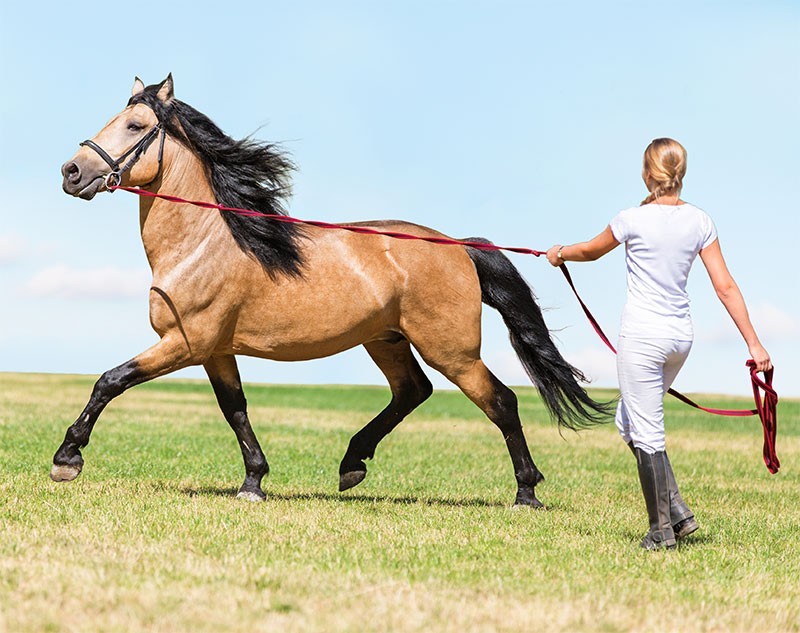
Once you begin work, start with basic ground manners. Lead them, groom them, and pick up their feet to establish a bond. You are building a foundation of trust that will support every future lesson. Simple lunging sessions help you see how they move without a rider. This low-pressure environment helps the horse feel safe and ready to listen.
Are Certain Breeds Easier to Retrain
Some horses naturally have a more “go with the flow” attitude than others. If you are a hobbyist or a newer rider, you might look for docile horse breeds like Quarter Horses or certain draft crosses. These horses often take to new cues with a calm heart. They tend to process new information without getting overly frazzled or reactive.
However, even a high-energy Thoroughbred can adapt if the training is broken into small steps. The breed gives you a hint about their motor, but their individual personality tells the real story. Look for a horse that shows curiosity rather than fear. A curious horse is a horse that is willing to try whatever new task you set before them.
What Are the Common Roadblocks in New Programs
Communication gaps are the biggest hurdles you will face. Your previous horse might have moved off a light leg squeeze, but your new auction find might need a different signal. If the horse seems stubborn, they are usually just confused. They are trying to find the right answer in a deck of cards they haven’t seen before.
Keep your sessions short and end on a positive note. If they get one small thing right, hop off and give them a treat. This “reward-based” learning speeds up the adaptation process significantly. You want them to associate your new training program with success and comfort. Soon, they will be looking for the right answer to please you.
How Do Health Records Impact Training Success
You cannot train a horse that is feeling physical discomfort. This is why having access to digital health records and X-rays is a total game-changer for buyers. If a horse has a slight stiffness in the hock, you know to adjust your warm-up routine. Understanding their physical limits allows you to push them safely and effectively.
A horse that feels good is a horse that wants to work. When you use a platform that prioritizes vet checks and transparency, you skip the “mystery lameness” phase. You can focus entirely on the schooling patterns and the lead changes. This clarity ensures that your training progress stays on a steady, upward trajectory without unexpected setbacks.
Can You Shift a Horse’s Mental Outlook
Horses are masters of reading human body language. If you approach your new auction horse with confidence and a relaxed posture, they will mirror that energy. Many auction horses have moved through multiple hands and may be wary at first. Your consistency is what will eventually melt that icy exterior and create a loyal partner.
Every time you feed them or lead them to water, you are “depositing” trust into their emotional bank account. Eventually, that account grows large enough to handle the “withdrawals” of difficult training sessions. Adaptation is 20% physical skill and 80% mental connection. Once they believe in you, they will try their heart out to learn your ways.
Finding Your Next Partner Online
If you are ready to find a horse that fits your goals explore the latest listings at our Equine Online Auction to see transparent details today.
Why Digital Hubs are the Future of Buying
The old way of buying horses involved a lot of “seeing what sticks” at a local sale. Now, you can browse a nationwide selection from your living room. You get to see the horse’s gait, their reaction to riders, and their complete lineage. This high-level data makes the adaptation process much smoother for everyone involved.
By using a horse bid auction platform, you are joining a community of professionals who value honesty. You aren’t just buying a horse; you are investing in a verified athlete. This modern approach ensures that the “surprise factor” is replaced by a solid plan. You can walk into the barn on day one with a roadmap for success.
Last Note
Adapting an auction horse from a horse bid auction to a new training program is entirely possible with the right mindset. Success relies on gathering as much information as possible before the purchase and moving slowly once the horse arrives. By prioritizing transparency and health through digital platforms, trainers and owners can mitigate risks and build strong bonds. Whether you are looking for a competitive athlete or a steady trail companion, the modern auction world provides the tools to ensure your new partner excels in their new career.